Refrigerator not cooling but freezer works: what to check
Your freezer is fine but the fridge is warm. Here is exactly what to check first, what it means, and when a Michigan refrigerator repair call makes sense.
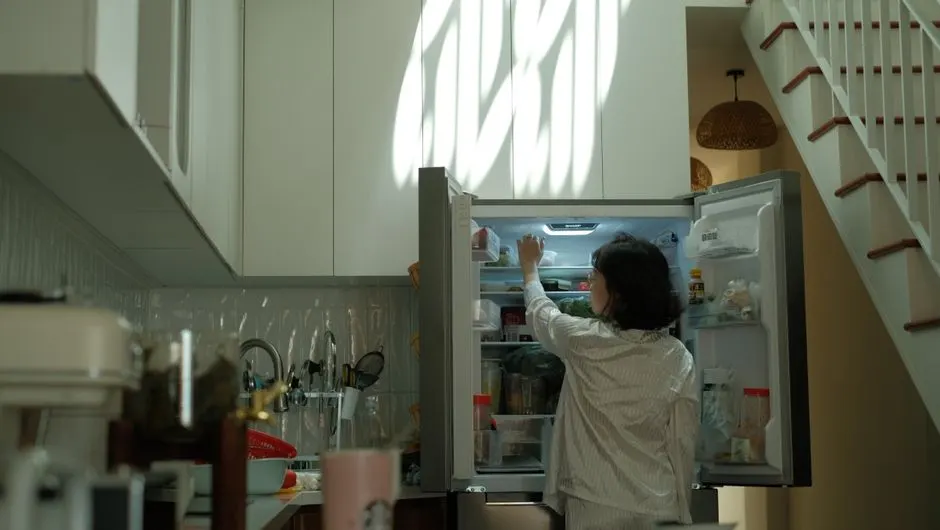
Your refrigerator not cooling but freezer works almost always means the problem is airflow, a defrost failure, or a fan - not the compressor. The freezer keeps working because it sits at the start of the cold-air path; when that path gets blocked or the evaporator fan dies, the freezer stays cold while the fridge section warms up.
We see this call every week across Michigan, and most of the time the fix is straightforward once you know what to look for. Below are the checks you can do in ten minutes, the parts that fail most often, and the point where a repair call saves you money.
Why is my fridge not cold but freezer is?
Refrigerator not cooling but freezer works is a specific symptom that points to a specific set of failures: the cold air produced in the freezer is not reaching the fresh-food compartment. In a standard top-freezer or bottom-freezer fridge, the evaporator coil sits in the freezer. A fan pushes that cold air through a damper and into the fridge side. If the fan stops, the damper sticks, or the coil ices over, the freezer stays at 0°F while the fridge climbs into the 50s.
That is different from a fridge where both sides are warm. When both compartments fail together, you are usually looking at a compressor, start relay, or sealed-system problem - a bigger repair. When only the fridge side is warm, the compressor is running fine and the diagnosis narrows fast.
One more thing worth knowing: the temperature difference between the two compartments is normal. A healthy fridge runs 35°F to 38°F while the freezer holds 0°F. A 35-degree gap is by design. A 20-degree gap that keeps growing is a failure in progress.
What should I check if my fridge is not cold
Start with the five-minute checks before you touch a screwdriver. These catch roughly a third of the calls we run, and they cost nothing.
- Door seals. Close the door on a dollar bill. If it slides out with no resistance, the gasket is leaking warm air in and the fridge never catches up.
- Vent blockage. On a top-freezer model, the cold-air vent sits at the bottom of the freezer wall. A bag of frozen peas pressed against it starves the fridge side.
- Temperature setting. Someone bumped the dial, or a digital control got nudged. Set the fridge to 37°F and the freezer to 0°F, then wait 24 hours.
- Condenser coils. Pull the fridge out and look at the coils underneath or behind. A quarter-inch of pet hair and dust raises the compressor temperature and cuts cooling capacity.
- Air circulation inside. An overpacked fridge blocks the internal vents. Leave two inches of space around the back wall.
If all five check out and the fridge is still warm after a full day, the problem is mechanical or electrical. That is when the real diagnosis starts.
The five most common reasons your refrigerator is not cooling
These are the failures we replace most often on Michigan refrigerators, ranked by how frequently they show up on our tickets.
1. Evaporator fan motor failure
The evaporator fan sits inside the freezer and blows cold air into the fridge. When the motor bearings wear out, the fan slows or stops. You will often hear a grinding or chirping sound before it quits. A replacement motor runs $150 to $320 installed, depending on the model.
2. Defrost system failure
The defrost heater, thermostat, or control board cycles on every 8 to 12 hours to melt frost off the evaporator coil. When that cycle stops, the coil turns into a block of ice and air cannot pass through it. You will usually see frost on the back wall of the freezer or a puddle under the crisper drawers. Defrost repairs run $200 to $450 parts and labor.
3. Air damper stuck closed
The damper is a small door between the freezer and fridge that opens and closes to regulate temperature. A failed damper motor leaves it stuck shut. The freezer stays perfect; the fridge goes warm. This is a $180 to $350 repair on most models.
4. Thermistor or temperature sensor drift
The thermistor tells the control board how cold the fridge is. When it drifts out of spec, the board thinks the fridge is colder than it is and stops calling for cooling. A $120 to $260 fix, and one of the harder ones to diagnose without a meter.
5. Dirty or failing condenser fan
The condenser fan pulls air across the coils behind or beneath the fridge. When it seizes, the compressor overheats and cooling drops off. You will feel a hot back panel and may hear the compressor running constantly. Replacement runs $200 to $400.
For a full breakdown of what each of these repairs costs by model type, our fridge repair Michigan team publishes current pricing and turnaround times.
How Michigan seasons affect refrigerator cooling
Michigan humidity and temperature swings put extra strain on refrigerators in ways that homeowners in drier states do not deal with. In a Detroit summer, indoor humidity climbs past 60 percent, and every door opening pulls moist air into the cabinet. That moisture ends up as frost on the evaporator coil, which is exactly the load the defrost system has to clear.
When the defrost system is already marginal, a humid July pushes it over the edge. We get a spike in defrost-related no-cool calls from June through September across Refrigerator Repair Service in Detroit and the surrounding suburbs.
Winter brings a different problem. Fridges in garages and unheated mudrooms - common in older Michigan homes - can drop below 55°F ambient. Many refrigerators will not run the compressor at all below that threshold because the thermostat thinks the cabinet is already cold enough. If your garage fridge quits every January, that is why.
Spring and fall are the quiet months. If your fridge is struggling now, in November, the cause is almost always mechanical rather than seasonal - a fan, a damper, or a defrost component that finally gave out.
Common mistakes to avoid when your fridge is not cooling
We have walked into a lot of kitchens where the homeowner made the problem worse before calling. Here is what to skip.
- Do not crank the temperature to the coldest setting. It will not speed up cooling, and on a defrost-failed fridge it just builds more ice on the coil.
- Do not chip ice off the evaporator coil with a screwdriver or knife. One slip punctures the refrigerant line and turns a $300 repair into a $900 one.
- Do not unplug the fridge for a day and call it fixed. A manual defrost will restore cooling for a week or two, then the same failure returns. It is a diagnostic clue, not a repair.
- Do not ignore a warm fridge for a week because the freezer is fine. Food in the fridge compartment sits in the 50s, which is the temperature range where bacteria multiply fastest.
- Do not buy a new refrigerator before getting a diagnosis. Most of the failures on this list cost less than 20 percent of a new unit.
If you are weighing repair against replacement, a technician can give you a straight answer in one visit. We do that every day for homeowners across Refrigerator Repair Service in Grand Rapids and the rest of West Michigan.
When to call a professional
Call a technician when you have checked the seals, vents, and coils, waited 24 hours, and the fridge is still above 45°F. At that point the failure is inside the sealed cabinet, and no amount of homeowner troubleshooting will fix it.
Other signs it is time to stop and call:
- You hear the compressor running constantly but the fridge stays warm.
- There is frost buildup on the freezer back wall or ice under the crisper drawers.
- The fridge and freezer both lost cooling - that points to a sealed-system issue.
- You see water on the floor or a burning smell near the back panel.
Fridge Repair Michigan handles diagnostics and repairs on every major brand and configuration. We stock the common fan motors, dampers, and defrost components on our trucks, so most jobs are finished in a single visit. If you want to know what to expect on cost before we arrive, our Refrigerator Repair Service in Michigan page lays out pricing by repair type.
Frequently Asked Questions
Why is my refrigerator not cooling but freezer works?
The freezer produces the cold air; the fridge receives it. When the evaporator fan, air damper, or defrost system fails, cold air stops reaching the fridge compartment. The freezer stays at 0°F while the fridge climbs above 45°F. This is almost never a compressor problem.
What should I check if my fridge is not cold?
Check the door gaskets, the cold-air vent between compartments, the temperature setting, and the condenser coils underneath or behind the unit. Give it 24 hours after any adjustment. If the fridge is still warm after that, the issue is mechanical and needs a technician.
Should I call a Michigan refrigerator repair service if my fridge is not cooling?
Yes, once you have ruled out seals, vents, and settings. A technician can diagnose the fan, damper, or defrost system in under an hour. Most repairs run $150 to $450, which is far less than replacing a refrigerator that is otherwise in good shape.
How long can food stay in a fridge that is not cooling?
Food stays safe for about 4 hours once the fridge rises above 40°F. After that, discard meat, dairy, and cooked leftovers. Condiments and hard cheeses are usually fine. When in doubt, throw it out - a hospital visit costs more than a grocery run.
Can I fix a refrigerator not cooling but freezer works myself?
You can handle the homeowner checks - seals, vents, coils, settings. Replacing an evaporator fan, damper, or defrost heater requires pulling panels, testing with a multimeter, and working around refrigerant lines. Most homeowners stop at the diagnostic stage and call us for the repair.
Get help with Refrigerator Repair Service in Michigan
If your fridge is warm and the freezer is fine, we can diagnose it fast and give you a straight answer on repair versus replace. Call Fridge Repair Michigan at 1112223333 and we will get a technician to your kitchen.