How Michigan winters affect your refrigerator and what to do
Michigan winters stress your fridge in ways summer never does. Here's what the cold does to compressors, seals, and defrost cycles, and how to protect your unit.
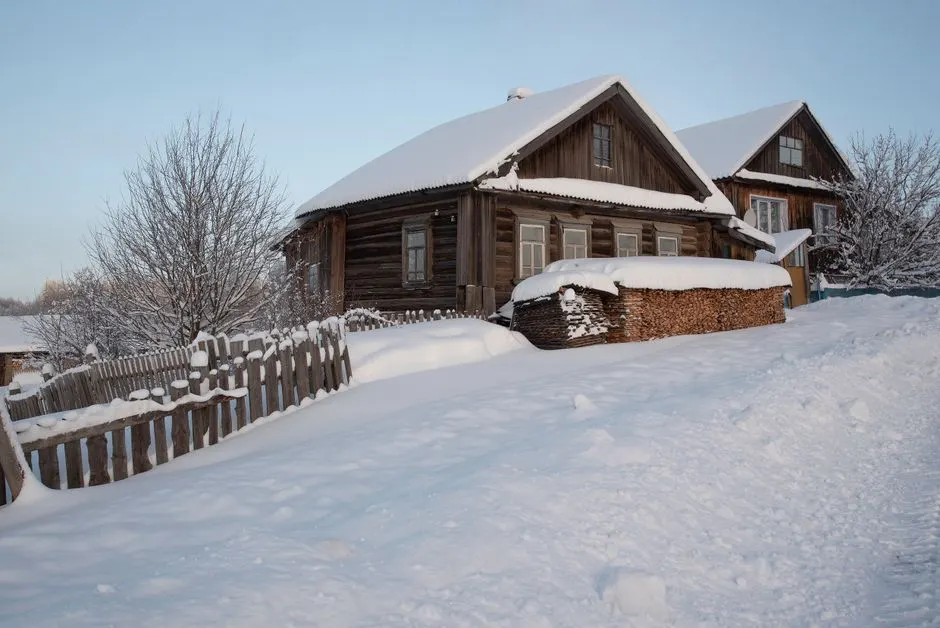
Michigan winters affect your refrigerator by forcing it to run in an environment it was never designed for - a kitchen that can drop below 55°F - which throws off the thermostat, stalls the defrost cycle, and hardens door gaskets until they leak cold air. The result is a fridge that either overworks and burns out the compressor or shuts down entirely, and both outcomes cost you hundreds in spoiled food and repair bills if you don't catch them early. How Michigan winters affect your refrigerator comes down to one thing: the temperature swing between your heated kitchen and the unheated air around it. Below, we break down exactly what the cold does to your unit, the five problems we see most in Michigan homes from Detroit to Kalamazoo, and the maintenance steps that keep your fridge running through April.
How Michigan winters affect your refrigerator
How Michigan winters affect your refrigerator is a category of cold-weather stress that most appliance manuals barely mention. Refrigerators are built to operate in ambient temperatures between 55°F and 110°F. When your kitchen sits at 50°F or lower for weeks at a time - common in Michigan from December through March, especially in older homes with poor insulation - the fridge's internal sensors read the space as already cold enough and stop calling for cooling.
That sounds harmless. It isn't. The freezer compartment still needs to hold 0°F, and when the thermostat stops cycling, the freezer warms up while the fresh-food side stays cold. You end up with soft ice cream and thawing meat on one side, and a fridge that seems to be working fine on the other. We see this exact failure in Michigan homes every January.
Michigan's winter also brings power fluctuations. Ice storms and heavy snow knock out power for hours, and when it comes back on, the compressor gets slammed with a hard start. A fridge that was already marginal in November often quits for good after the first big outage in December.
Why a cold kitchen can actually warm up your fridge
The counterintuitive part of cold weather refrigerator issues is that a cold room makes the freezer warmer, not colder. Here's the mechanism: your fridge's thermostat is usually in the fresh-food compartment. When that compartment hits 50°F or below, the thermostat thinks the whole unit is cold enough and cuts power to the compressor.
The freezer, meanwhile, has no independent thermostat on most models. It relies on the same compressor cycle. No cycle means no cold air pushed to the freezer, and the freezer drifts up toward 20°F or 30°F over a few days. Food safety gets compromised before you notice anything wrong.
This is why a fridge in cold weather Michigan behaves so differently from a fridge in a Florida garage. The problem isn't the cold itself - it's the fridge's inability to tell the difference between "the room is cold" and "the food is cold."
The five most common Michigan winter refrigerator problems
These are the calls we run most often between Thanksgiving and Easter across Michigan. If you recognize your fridge in any of them, act before the problem gets worse.
- Freezer thawing while the fridge stays cold. The thermostat cut-off issue described above. Usually shows up as soft ice cream, frost-free freezer walls that suddenly have frost, or meat that feels slightly warm.
- Compressor short-cycling. The fridge kicks on for 30 seconds, shuts off, kicks on again. This burns out the start relay and eventually the compressor itself. A replacement compressor runs $400-$700 installed in 2026, so catching it early matters.
- Hardened door gaskets. Rubber gaskets stiffen below 40°F. Once they stiffen, they don't seal, and you get condensation, frost buildup, and a fridge that runs constantly. A new gasket is a $150-$250 repair.
- Ice maker lines freezing. If your fridge backs up to an exterior wall - common in Michigan homes built before 1980 - the water supply line can freeze and crack. You won't know until you find water on the floor.
- Defrost drain freezing. The defrost cycle melts frost and drains the water away. In a cold kitchen, that drain line can freeze solid, and the water backs up into the freezer and then onto your floor.
Winter refrigerator maintenance tips for Michigan homeowners
Refrigerator winter maintenance Michigan homeowners can do themselves takes about 30 minutes and prevents most of the problems above. Do these in November before the first hard freeze.
- Check the gasket seal. Close the door on a dollar bill. If you can pull it out easily, the gasket is failing. Do this on all four sides.
- Vacuum the condenser coils. They're behind or underneath the fridge. Dust and pet hair make the compressor work harder, and in a cold kitchen that's the difference between a fridge that survives winter and one that doesn't.
- Set the thermostat to the middle setting. Don't crank it colder to compensate for a cold room - that makes the short-cycling worse.
- Insulate the water line. If your ice maker line runs along an exterior wall, wrap it in foam pipe insulation. A $5 fix prevents a $300 water damage repair.
- Keep the fridge at least 2 inches from the wall. Airflow around the back matters more in winter because the compressor runs longer cycles.
If your fridge is in a garage or unheated mudroom, you need a model rated for cold-ambient operation. Standard fridges aren't, and no amount of maintenance will fix that. If yours is in an unheated space and acting up, that's a job for fridge repair Michigan - we can tell you in five minutes whether the unit is salvageable or needs to move indoors.
What should I do about my fridge in Michigan winter?
What you should do about your fridge in Michigan winter depends on where it sits. If it's in a heated kitchen that stays above 60°F, you're mostly fine - do the maintenance checklist above and watch for the freezer-thawing symptom. If it's in a garage, porch, or unheated basement that drops below 50°F, you have three options.
First, move the fridge to a heated space. This is the only real fix for a standard unit. Second, buy a cold-ambient garage-ready fridge, which costs $200-$400 more than a comparable standard model. Third, if the fridge is a secondary unit you only use for overflow, unplug it for the winter and save the wear.
For the main kitchen fridge, the single most useful thing you can do is check the freezer temperature with a $10 thermometer once a week from December through March. If it reads above 10°F, something is wrong. Don't wait for the food to spoil.
Common mistakes to avoid
The mistakes we see most often in Michigan winter appliance care are the ones that turn a $150 repair into a $700 one.
- Cranking the thermostat colder. This makes short-cycling worse, not better. Leave it in the middle.
- Ignoring a warm freezer. A freezer at 25°F is not "almost working." It's failing, and food safety is already compromised.
- Packing the fridge too full. Airflow matters more in winter when the compressor runs longer. Leave space around the vents.
- Using a space heater near the fridge. We've seen this melt door seals and warp plastic trim. Don't do it.
- Waiting until spring to call. A compressor that short-cycles all winter is a compressor that dies in March. Fix it in December.
When to call a professional
Call a professional when the freezer temperature climbs above 10°F and stays there for more than a day, when you hear the compressor clicking on and off every few minutes, or when you find water on the floor near the fridge. Those three symptoms cover about 80% of the winter refrigerator problems we fix.
If your fridge is a French door, side-by-side, or built-in model, the diagnosis gets more complicated because the thermostat and damper systems are different from a standard top-freezer. Our team at Fridge Repair Michigan handles all of those, and we can usually tell you over the phone whether it's a quick fix or a bigger job. We work across Michigan, from appliance repair Detroit Michigan to appliance repair Grand Rapids Michigan, and we see the same winter failures in both cities.
Frequently Asked Questions
How does winter affect my refrigerator in Michigan?
Winter affects your refrigerator by dropping the ambient temperature below the 55°F threshold most fridges are designed for. This confuses the thermostat, stalls the defrost cycle, and can cause the freezer to warm up while the fridge compartment stays cold. The colder the room, the worse the problem gets.
What should I do about my fridge in Michigan winter?
Check the freezer temperature weekly with a thermometer and keep it at 0°F. Vacuum the condenser coils, test the door gaskets, and make sure the fridge sits at least 2 inches from the wall. If the fridge is in an unheated space below 50°F, move it indoors or replace it with a cold-ambient model.
Can Michigan winter cause refrigerator problems?
Yes. Michigan winter causes thermostat cut-off, compressor short-cycling, frozen defrost drains, hardened door gaskets, and frozen ice maker lines. The most common failure we see is a freezer that thaws while the fridge compartment stays cold, which happens when the kitchen drops below 50°F for several days.
How cold is too cold for a refrigerator?
Below 55°F is where problems start. Below 50°F, most standard refrigerators will stop cooling the freezer properly. Below 40°F, door gaskets stiffen and the compressor starts short-cycling. If your garage or porch drops below 50°F in winter, a standard fridge will not work reliably there.
How much does winter refrigerator repair cost in Michigan?
Typical 2026 pricing in Michigan runs $150-$250 for a gasket replacement, $200-$400 for a defrost system repair, and $400-$700 for a compressor replacement. Diagnostic fees usually run $75-$125 and are often credited toward the repair if you proceed. The sooner you call, the cheaper the fix tends to be.
Get help with Refrigerator Repair Service in Michigan
If your fridge is struggling through another Michigan winter, don't wait for the compressor to quit. We diagnose the problem, fix it, and test the unit before we leave - and we'll tell you straight if a repair isn't worth the money.
Call Fridge Repair Michigan at 1112223333 to schedule a visit. We serve homeowners across the state, from appliance repair Ann Arbor Michigan to appliance repair Kalamazoo Michigan, and we know exactly what Michigan winters do to a fridge.